Should I stop drinking?
Maybe you just need a break from booze.
Why Download These Questions?
Because sometimes a few honest questions can tell us more than a hundred articles, podcasts or expert opinions. These 11 reflection questions are designed to help you pause and take an honest look at your relationship with alcohol. Not from a place of judgment or labels, but from a place of curiosity.
You might discover alcohol is serving you perfectly well. You might discover it's taking more than it's giving. Or you might simply gain a little more awareness.
Grab a cup of tea and give yourself 10 quiet minutes to reflect.
Alcohol Math Calculator
Sometimes seeing the numbers clearly helps us make a different choice.
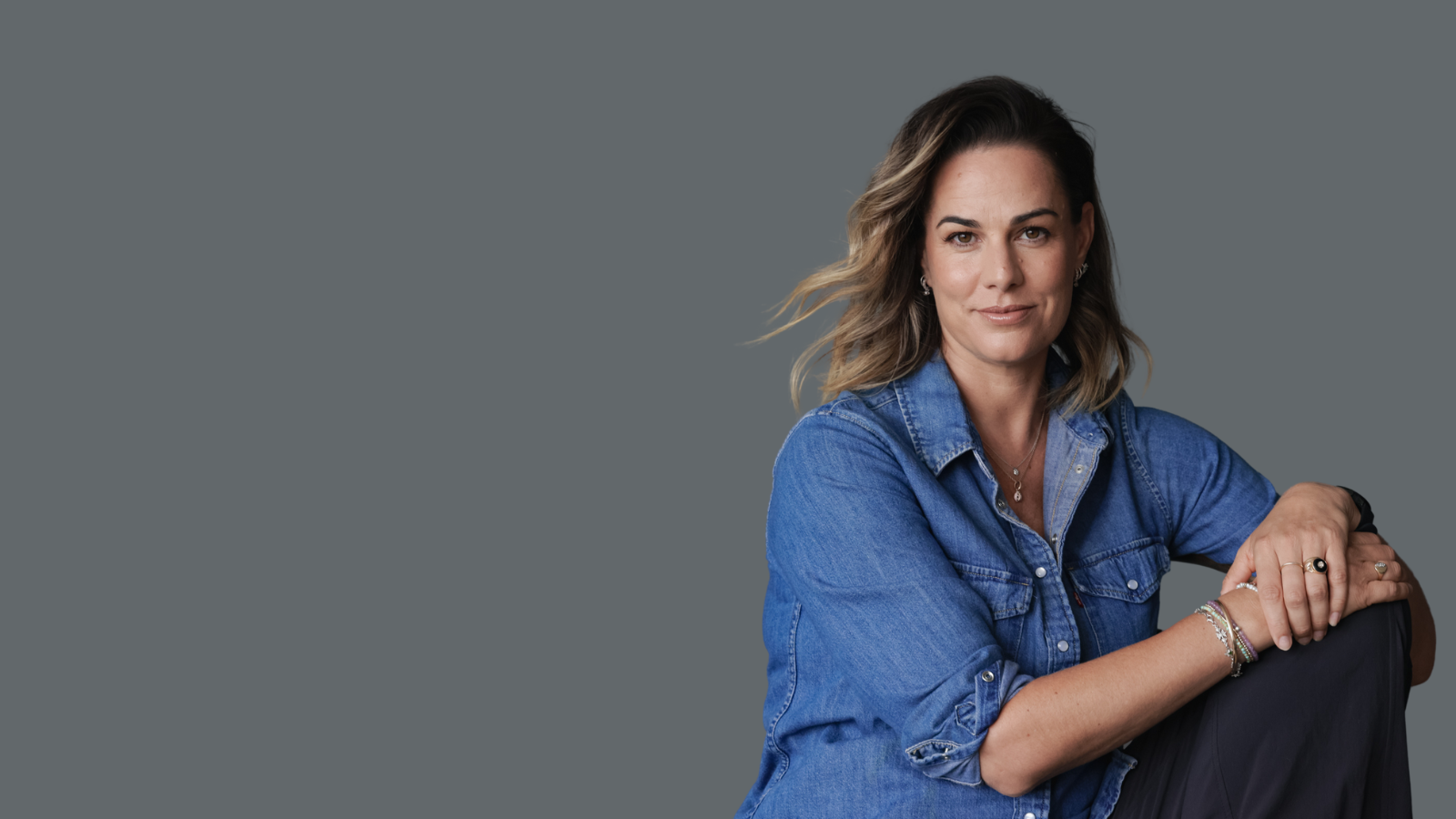
I’m Here To Help
I work with all types of drinkers: the high-functioning professional, the exhausted parent, the weekend social drinker, the “I’m fine, but something feels off,” and those who feel their drinking has gone far beyond their control.
Alcohol is just the surface. Together, we explore the deeper patterns beneath: stress, overwhelm, habit, self-belief, emotional regulation, and the longing for a different kind of life.
Helping You Understand Alcohol:
In the talk below, Dr Ula & I cover:
What each drink does and the physiology of alcohol.
1
Alcohol affects the brain and nervous system differently depending on the type, amount, and speed of drinking, initially increasing dopamine and lowering inhibition before disrupting neurotransmitters, blood sugar, sleep, mood regulation, inflammation, and the body’s overall physiological balance.
How long is a long enough break from alcohol.
2
A meaningful break from alcohol is long enough for the brain, nervous system and behavioural patterns to reset — often a minimum of 90 days, though bigger physiological and psychological change can continue unfolding over 6–12 months.
The types of people who can drink.
3
Some people can drink casually and stop easily, while for others, alcohol becomes more compulsive due to genetics, nervous system patterns, psychology, and conditioning.
The types of people who need to stop.
4
People who may benefit from stopping alcohol are often those who feel controlled by it, rely on it to cope, struggle to moderate, or notice it negatively impacting their health, relationships, mood, sleep, or sense of self.
Different Paths For Different People
-

One Month Off
Sans is a self-led program designed to give you power back over alcohol as you take a break and reset.
All you need to do is download the guide and start reading. It's a simple, straightforward, step-by-step support for a month reset.
-

A longer-term sobriety commitment.
The Alcohol Reset Pathway is a 6-month guided program that uses Awareness Insight Meditation, neuroscience, inner-work practices to help people transform their relationship with alcohol. You will work weekly, 1:1 with Claire. This is a program for those who have realised that they would like to release alcohol from their lives longterm.
-

Reset together.
4x a year Claire facilitates the month-long Sans program in an online group setting. For some, the connection and accountability within this is a powerful vehicle for shifting habits and creating change.
This includes a 2-week membership to The School of Modern Meditation and five online sessions with Claire.
Reset With Me *
Reset With Me *
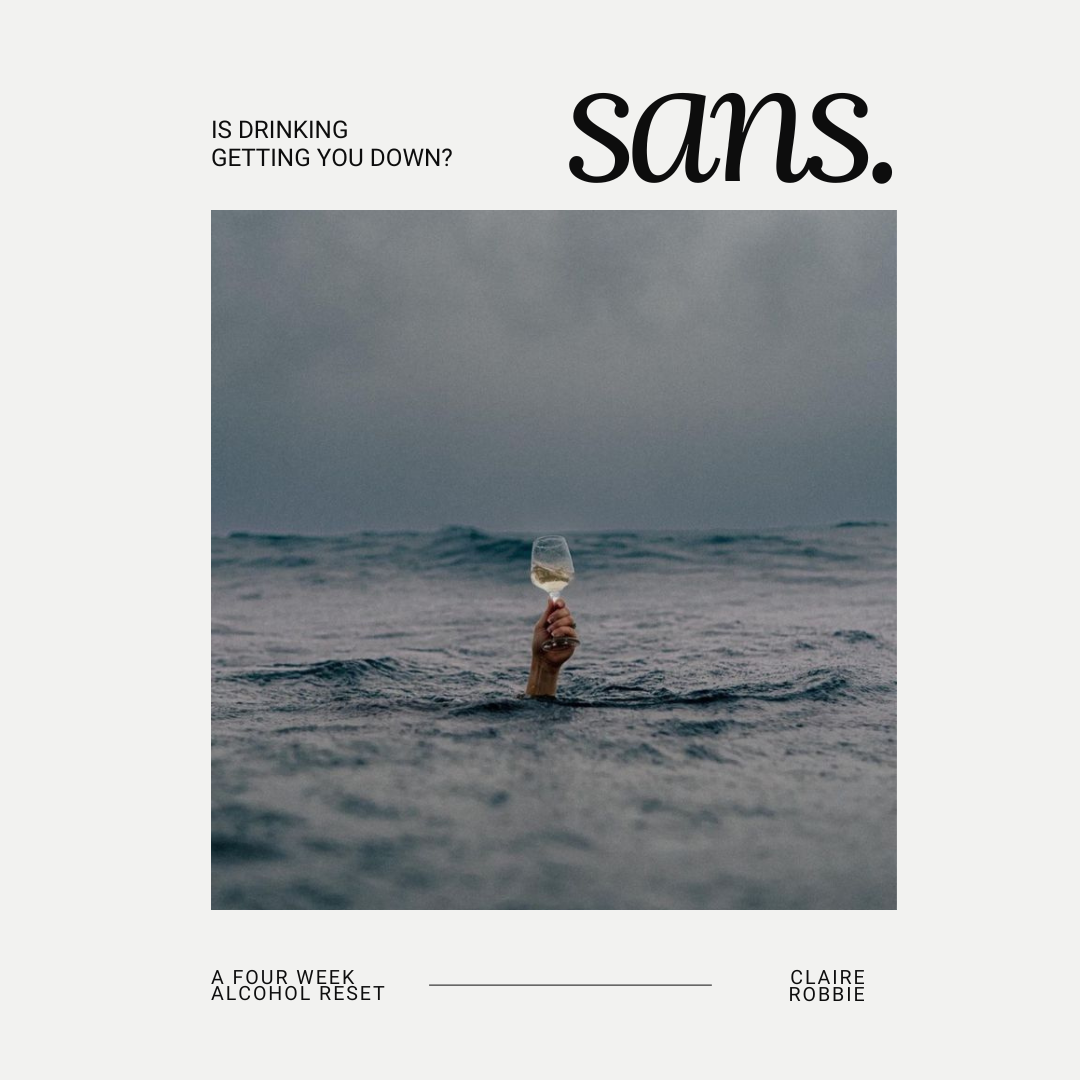
Sans is a program designed to give you power back over alcohol as you take a break and reset. And I’ve just made it a FREE resource for anyone who wants to take an effective break from booze.
From Claire: Over the four weeks of this self-led program, we set you up with ways to reframe the beliefs and behaviours you have around alcohol, socialising, stress, binge-drinking and more. You will also learn tools and alternative ways to give yourself what you are "looking for" in that drink. The goal of Sans isn't just to “hang in there” but to start showing you how to thrive without FOMO or a sense of lack when you stop drinking for a while.
All you need to do is download the guide and start reading. It's simple, straightforward and step-by-step support.
Sans is the distillation of all my experience, training and thousands of hours working with people as they reset their relationship with alcohol. I've created something that, if followed attentively and with curiosity and commitment, has the potential to really change your relationship with alcohol. It's a pleasure to make this guide as accessible as possible, so anyone can experience the accumulation of positive, powerful changes when we give up drinking for a while.
This 4-week downloadable guide includes:
How to prepare and set yourself up for success
Week 1 - Intention, Motivation and Mindset: Creating a sustainable foundation with awareness
Week 2 - New Rhythms & Routines: Doing things differently and the neuroscience of change
Week 3 - What You Believe You Perceive: Beliefs and the power of our minds
Week 4 - Progress Over Perfection & The Upward Spiral: The importance of focus, attention, & the accumulation of the positive effects of sobriety
A 14-day free trial to The School of Modern Meditation’s Meditation Club
I've worked with thousands of people as they become more aware of their drinking habits and behaviours, and it's beyond a joy to watch the transformations that occur. I'm so excited for you to try it. The more, the merrier.
Sans is a self-led program designed to give you power back over alcohol as you take a break and reset.
All you need to do is download the guide and start reading. It's a simple, straightforward, step-by-step support for a month reset.
“I’ve tried to stop drinking so many times. The Alcohol Reset Pathways was the only thing that worked and is still working.”
“I downloaded Sans at a whim, and in a month, I’ve saved about $900 on booze. It’s also given me the break I need to shift some habits. ”
“I didn’t realise how having some accountability and weekly check-ins with Claire would make such a difference. It’s been hard to stop, but I don’t feel alone in it. ”